Why does mowing height matter so much for a healthy summer lawn?
The reasons cutting height drives lawn health in summer and how to set it right for the grass you mow.
Taller grass shades the soil, holds moisture, and grows deeper roots, so it resists heat, drought, and weeds far better. Cutting too short exposes soil, stresses the plant, and lets weeds germinate. In summer, raising the deck to the high end of the range for your grass type keeps a lawn resilient.
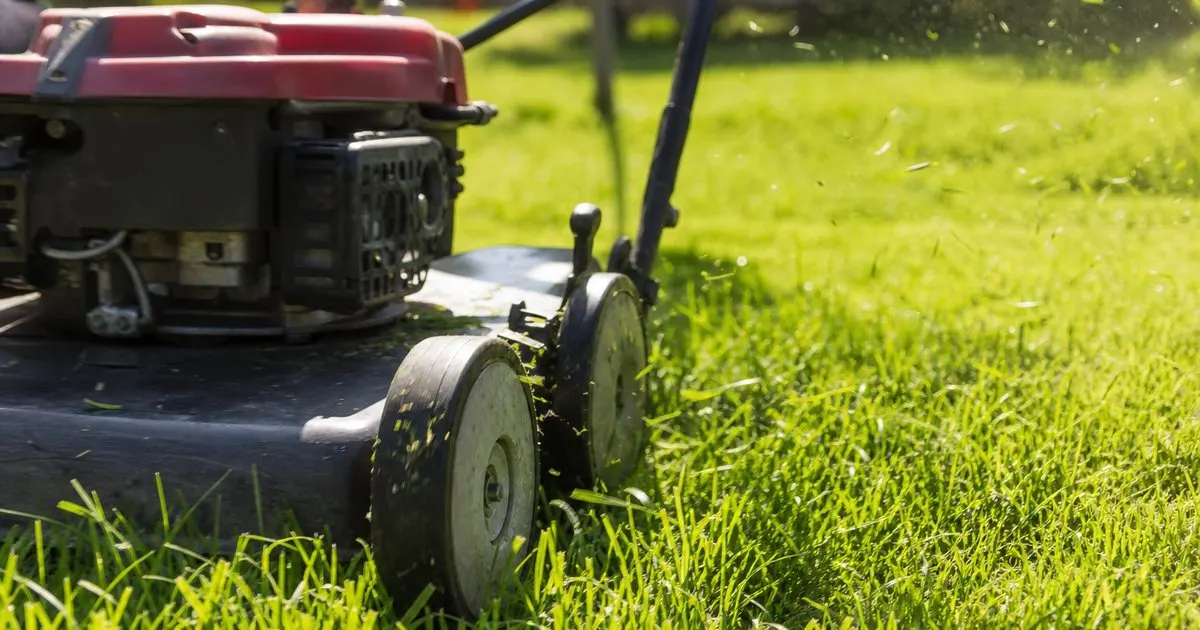
Taller grass shades its own roots
In summer heat, mowing height is one of the biggest levers on lawn health. Taller grass shades the soil, keeping roots cooler and slowing evaporation, so the lawn holds moisture and resists heat stress. A lawn scalped short in July bakes, dries out, and browns while a taller lawn stays green. Related: When should you reschedule lawn service because of rain and wet grass?
The shade also suppresses weeds. Many weed seeds need sunlight at the soil surface to germinate, and a taller canopy denies them that light, so cutting higher is a quiet form of weed control.
Keep reading: How often should you mow a residential lawn during peak growing season?, What is the best way to route a lawn crew across many properties?, When should you reschedule lawn service because of rain and wet grass?. See how LawnCadence helps you recurring lawn care scheduling and crew routing.
Height drives root depth
Grass roots roughly mirror the blades above them. Taller mowing encourages deeper roots, and deeper roots reach more water and nutrients, which is exactly what a lawn needs to survive a dry summer. Cutting too short forces shallow roots that dry out fast and leave the lawn fragile.
This is why the same lawn cut high versus low behaves so differently in a heat wave. The taller-cut lawn draws on a deeper reserve, while the short-cut one wilts at the first stretch without rain.
Match the height to the grass type
The right height depends on the species. Cool-season grasses generally do best cut higher in summer, while some warm-season grasses tolerate a lower cut. Knowing what you are mowing lets you set a height that keeps that specific grass healthy rather than applying one setting to every lawn. Related: How often should you mow a residential lawn during peak growing season?
Raising the deck for the summer months is a common seasonal move for cool-season lawns. The same lawn might be cut lower in spring and fall, then raised to weather the heat. Related: Which recurring lawn care schedule works best for cool season grasses?
Keep height consistent per property
Consistency is where crews slip. Different crew members set decks differently, and a lawn cut high one week and low the next never establishes the deep roots and shade that height is supposed to provide. The height needs to be a property standard, not a personal preference. Related: What is the best way to route a lawn crew across many properties?
LawnCadence keeps mow height and notes attached to each property, so every crew member cuts each lawn to the same height every visit, and the summer benefits of the right height actually hold up over the season.
- Taller grass shades roots and holds moisture in heat.
- Higher mowing grows deeper, more drought-resistant roots.
- Match cutting height to the grass species.
- Keep the height consistent for each property every visit.

Julien Jimenez
Julien Jimenez is an independent software builder based in Paris. He designs, ships, and operates focused SaaS products for small businesses and independent professionals. Read the full author page.
Frequently asked questions
Does cutting grass short really invite weeds?
Yes. Short turf lets sunlight reach the soil, which is exactly what weed seeds need to germinate. Taller grass shades them out, so proper height is one of the simplest weed defenses.
Should you raise the mowing height in summer heat?
Generally yes. A higher cut shades roots and conserves soil moisture during heat and drought, helping the lawn survive stress. Drop back toward normal height as temperatures ease in fall.
Keep Every Crew On Cadence
Recurring lawn care scheduling and crew routing. LawnCadence is built to help you put this into practice.
Start free trialMore from the LawnCadence blog
How often should you mow a residential lawn during peak growing season?
What is the best way to route a lawn crew across many properties?
When should you reschedule lawn service because of rain and wet grass?
Get the LawnCadence playbook
Practical guides on lawn care software, straight to your inbox as we publish them. No spam, unsubscribe any time.