Which recurring lawn care schedule works best for cool season grasses?
How to time mowing and care for cool-season lawns around their spring and fall growth peaks.
Cool-season grasses like fescue and bluegrass grow hardest in spring and fall, so concentrate mowing and feeding around those peaks. Mow frequently and fertilize in autumn and early spring, then ease off in summer heat when the grass slows. Aim work at the growth surges, not the hot midsummer lull.
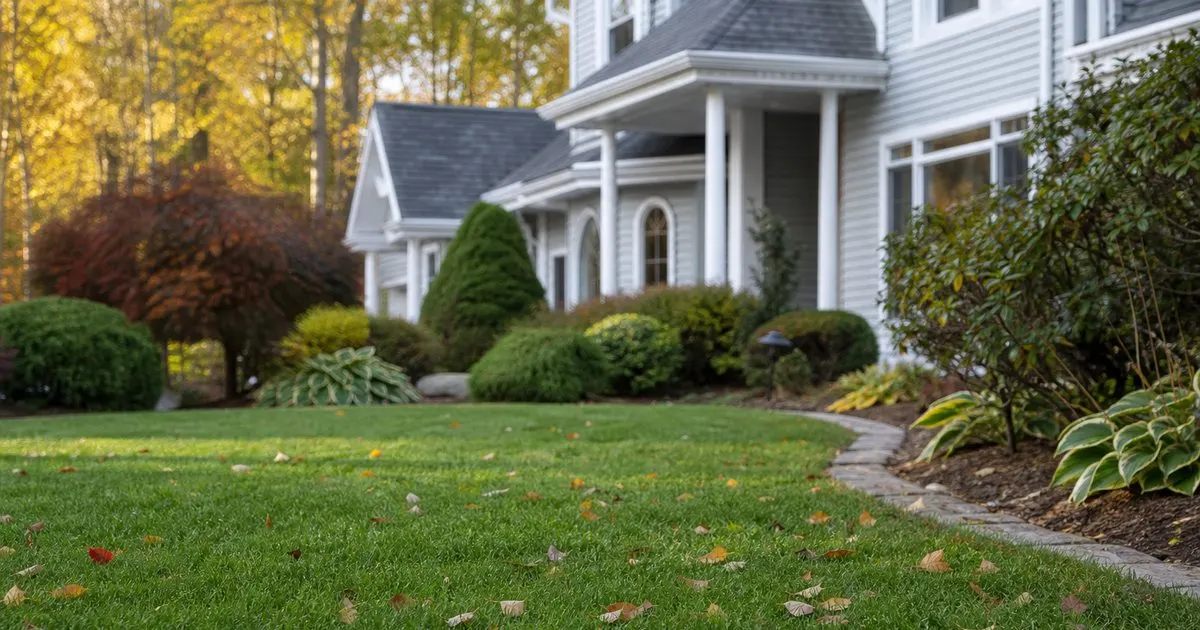
Understand the two growth peaks
Cool-season grasses like fescue, ryegrass, and bluegrass grow most vigorously in the cooler weather of spring and fall, and slow down in the heat of midsummer. A recurring schedule should mirror that curve: frequent mowing during the peaks and a stretched interval through the summer slowdown.
This is the opposite rhythm of warm-season grass, which surges in summer. Applying a flat weekly schedule year-round either overmows the dormant summer lawn or undermows the exploding spring one.
Keep reading: How often should you mow a residential lawn during peak growing season?, What is the best way to route a lawn crew across many properties?, Why does mowing height matter so much for a healthy summer lawn?. See how LawnCadence helps you recurring lawn care scheduling and crew routing.
Mow frequently in spring and fall
During the spring and fall peaks, cool-season lawns often need weekly or even tighter mowing to stay within the one-third rule. This is when the grass is building density and root reserves, and consistent mowing at the right height sets up a thick, healthy lawn. Related: How often should you mow a residential lawn during peak growing season?
Fall is especially important. Mowing and caring for a cool-season lawn well in autumn, when it is growing strongly and storing energy, pays off in a stronger green-up the following spring.
Ease off in summer heat
As summer heat sets in, cool-season grass slows and can go semi-dormant. Mowing frequency should drop, and cutting height should rise to shade the roots and conserve moisture. Forcing a tight mowing schedule on a heat-stressed lawn does more harm than good. Related: Why does mowing height matter so much for a healthy summer lawn?
This seasonal easing is not neglect, it is matching the service to the grass. A schedule that recognizes the summer slowdown keeps the lawn healthier than one that mows on autopilot through the stress period. Related: When should you reschedule lawn service because of rain and wet grass?
Automate the seasonal cadence
The hard part is running different intervals in different seasons across a whole route. It is easy to forget to loosen the cadence in July or tighten it again in September, and a lawn left on the wrong interval suffers for it. Related: What is the best way to route a lawn crew across many properties?
LawnCadence lets you set and adjust the recurring cycle per property, so you can tighten cool-season lawns in spring and fall and stretch them through summer, and the schedule follows the grass instead of a flat calendar.
- Cool-season grass peaks in spring and fall.
- Mow frequently during the cool-weather growth surges.
- Raise the height and stretch intervals in summer heat.
- Adjust the recurring cadence to follow the season.

Julien Jimenez
Julien Jimenez is an independent software builder based in Paris. He designs, ships, and operates focused SaaS products for small businesses and independent professionals. Read the full author page.
Frequently asked questions
Why fertilize cool-season grass in fall?
Fall feeding fuels root growth and stores energy for a strong spring green-up, making it the most important feeding of the year for these grasses. It also helps the lawn recover from summer stress.
Should you mow cool-season grass in summer?
Yes, but less often and higher. Growth slows in heat, so mow only as needed and raise the deck to shade roots and conserve moisture through the stressful months.
Keep Every Crew On Cadence
Recurring lawn care scheduling and crew routing. LawnCadence is built to help you put this into practice.
Start free trialMore from the LawnCadence blog
How often should you mow a residential lawn during peak growing season?
What is the best way to route a lawn crew across many properties?
Why does mowing height matter so much for a healthy summer lawn?
Get the LawnCadence playbook
Practical guides on lawn care software, straight to your inbox as we publish them. No spam, unsubscribe any time.