How much should a lawn care business charge for a recurring mowing plan?
A grounded way to price recurring mowing by your costs, property size, and route density.
Price from your costs and the property, not a flat guess. Factor lot size, obstacles, trimming, and drive time, then apply your hourly target and a margin. Tight route density lowers your cost per stop, so nearby yards can be priced competitively while distant ones need a premium to stay profitable.

Start from cost per visit
Before you can price a mowing plan, you need to know what one visit costs you: the crew's labor for the time on site, the drive time to get there, fuel, equipment wear, and a share of insurance and overhead. Many operators price off the mowing time alone and quietly lose money on the drive and the overhead. Related: What should a lawn crew do when a property has changed since last visit?
Once you know your true cost per cut, a recurring plan is that cost across the season plus your margin. That number is your floor, and anything below it means you are working to stay busy rather than to profit. Related: Which recurring lawn care schedule works best for cool season grasses?
Keep reading: How often should you mow a residential lawn during peak growing season?, What is the best way to route a lawn crew across many properties?, Why does mowing height matter so much for a healthy summer lawn?. See how LawnCadence helps you recurring lawn care scheduling and crew routing.
Price by property, not a flat rate
Lawns vary enormously in the time they take. Lot size, the amount of trimming and edging, obstacles, slopes, and access all change how long a crew spends. A single flat price overcharges small easy lawns and loses money on large complex ones, so estimate each property on its real time.
Walking or measuring a property before quoting is worth the few minutes. A confident, specific price based on the actual work beats a guess that either scares off the easy job or bleeds you on the hard one.
Factor in route density
Where a lawn sits changes what it is worth to you. A property that fills a gap in an existing route costs little extra drive time and can be priced competitively, while a distant one-off carries real windshield cost and should be priced to cover it. Density is part of profitability, not just efficiency. Related: What is the best way to route a lawn crew across many properties?
This lets you compete smartly. You can win clustered work on price because your cost to serve it is low, while protecting your margin on outliers that would otherwise drag a crew across town.
Use your data to price renewals
Over a season you learn which properties actually take longer than you quoted, and that data should shape renewals. A lawn that consistently runs over its estimated time is underpriced, and knowing that lets you adjust rather than absorbing the loss year after year. Related: How often should you mow a residential lawn during peak growing season?
LawnCadence keeps each property with its cycle and notes, so you can see which lawns take more time across the season and price recurring plans and renewals around the real cost of serving each one.
- Know your fully loaded cost per visit first.
- Price each property by its real mowing time.
- Factor route density into what a lawn is worth.
- Use season-long data to price renewals accurately.

Julien Jimenez
Julien Jimenez is an independent software builder based in Paris. He designs, ships, and operates focused SaaS products for small businesses and independent professionals. Read the full author page.
Frequently asked questions
Should you offer a discount for prepaid seasonal plans?
A modest prepay discount can improve cash flow and lock in the account for the season. Keep it small enough that the guaranteed volume and reduced billing effort still leave you a healthy margin.
Is per-visit or monthly billing better for mowing plans?
Flat monthly billing smooths income and simplifies customer budgeting, but you must average visits across the season so slow and busy months balance out. Per-visit billing tracks actual work more closely.
Keep Every Crew On Cadence
Recurring lawn care scheduling and crew routing. LawnCadence is built to help you put this into practice.
Start free trialMore from the LawnCadence blog
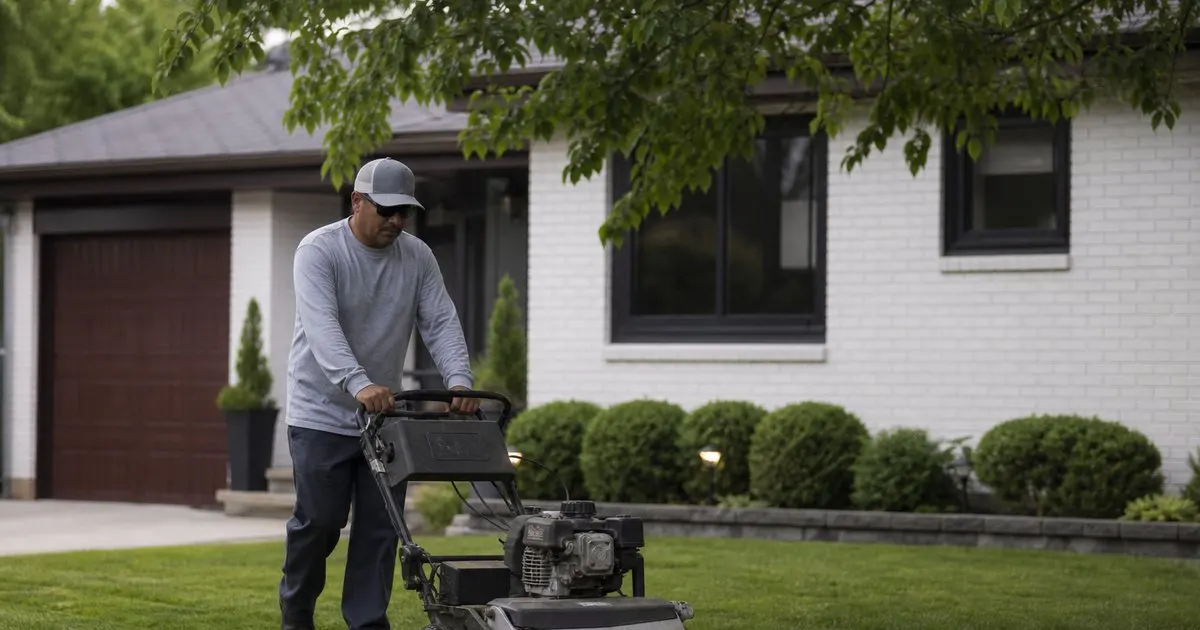
How often should you mow a residential lawn during peak growing season?
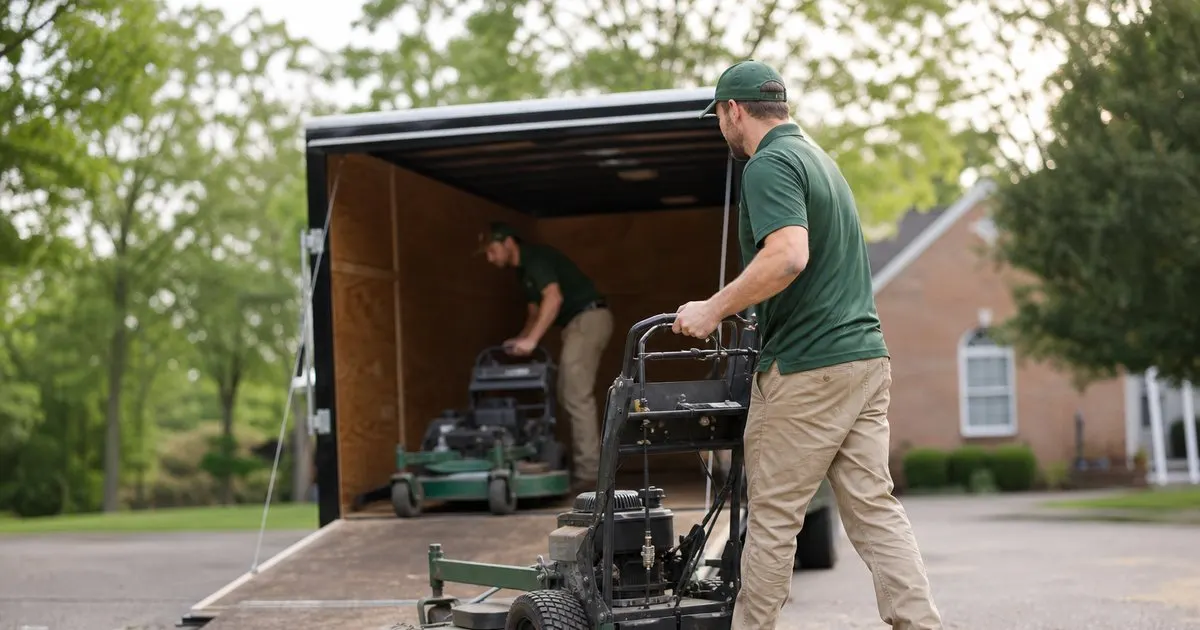
What is the best way to route a lawn crew across many properties?
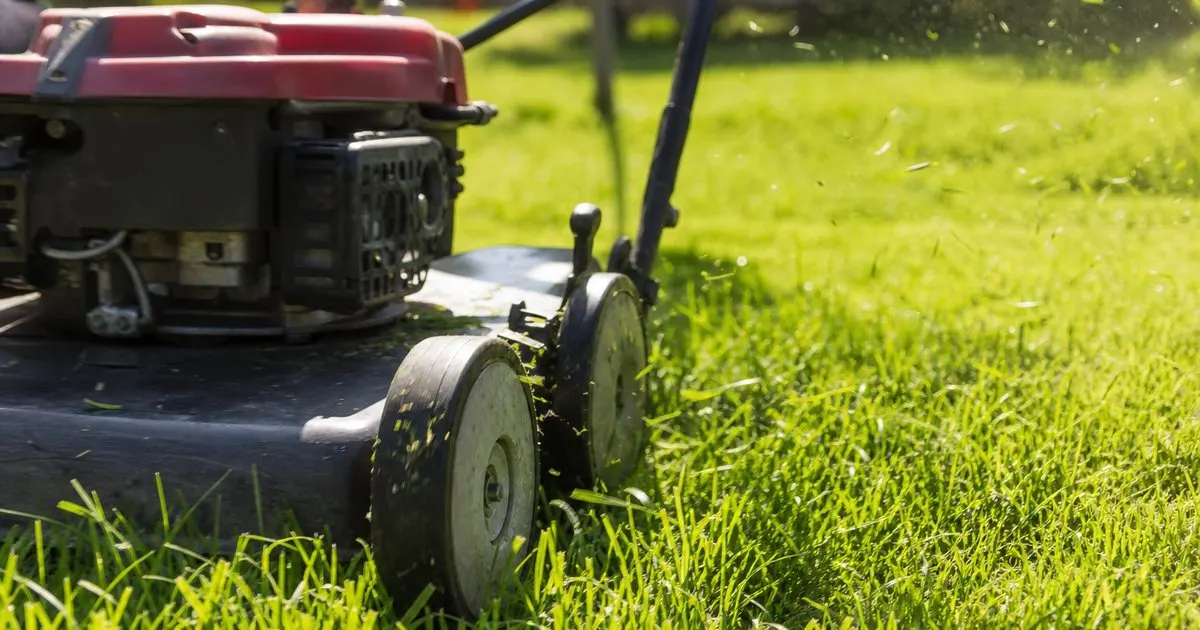
Why does mowing height matter so much for a healthy summer lawn?
Get the LawnCadence playbook
Practical guides on lawn care software, straight to your inbox as we publish them. No spam, unsubscribe any time.