What is the best way to add a new recurring customer without disrupting routes?
Every new customer is welcome. Every new customer is also a decision about which day, which route, and which start week. Here is how to make it well.

Fit the customer to the route, not the route to the customer
When a new lead comes in, the first thing to check is where the property sits relative to existing routes. A property two streets from a current Tuesday route is worth far more to the business than the same lot fifteen minutes from anything, because the second one adds drive time to every visit for the rest of the relationship. It is fair to say yes to the close one immediately and to think harder about the far one.
Being upfront about days helps. Rather than asking 'what day works for you', offer the day the route already runs in that neighborhood and explain why: the crew is nearby, which keeps the price where it is and makes the schedule reliable. Most customers accept the offered day when the reasoning is honest. The customers who insist on a specific day are usually the ones worth a small premium or a polite no. Related: Which recurring lawn care schedule works best for cool season grasses?
Keep reading: How often should you mow a residential lawn during peak growing season?, What is the best way to route a lawn crew across many properties?, Why does mowing height matter so much for a healthy summer lawn?. See how LawnCadence helps you recurring lawn care scheduling and crew routing.
Do a real walkthrough and set the stop time before the first visit
An accurate estimate at onboarding prevents a whole season of schedule drift. Walk the property, note turf area, gate widths, slopes, obstacles, edging length, and anything unusual such as a septic field or a dog. Set an expected stop time and a price based on that, not on the neighbor's price or a quick glance from the street. If the property has been neglected, plan a longer first visit and price it separately. Related: How often should you mow a residential lawn during peak growing season?
Capture all of it in the property record from day one: access notes, gate codes if the customer shares them, where to blow clippings, which areas to avoid, and the customer's stated preferences. The crew leader should be able to open the first visit with the same information the estimator had. Onboarding is the one time the customer is actively telling you everything, so write it down while they are talking.
Pick a start week that keeps the route balanced
Adding a stop to a route that is already at capacity means something else has to give. Before promising a start date, look at the route's planned time for that day and decide whether the new stop fits, whether a lighter stop should move to another day, or whether the route has reached the point where it needs to split. Promising a start date and then running late on the whole route is a poor first impression for everyone.
For biweekly customers, choose the alternating week that matches the other biweekly properties nearby, so the crew is in the neighborhood on the same rhythm. For weekly customers, a start on the next scheduled route day is usually best, unless the lawn needs a cleanup visit first. Confirm the start date and the recurring day in writing so the customer knows exactly what to expect. Related: What is the best way to route a lawn crew across many properties?
Review the first three visits before you consider the account settled
The first few visits reveal whether the estimate was right. If the actual stop time is well over the plan, adjust the route immediately and revisit the price at the next agreed point rather than absorbing it quietly. If the customer has small requests after the first cut, such as a different clipping approach or a bed to avoid, add them to the property notes so the second visit already reflects them.
A short check-in after the second or third visit, even a two-line message asking whether anything should change, catches problems while they are easy to fix and signals that the recurring plan is being managed, not just repeated. That is a large part of what customers are paying for when they choose a recurring service over a one-off mow. Related: How much should a lawn care business charge for a recurring mowing plan?
- Offer the day the route already runs in that neighborhood and explain the reasoning honestly.
- Walk the property and set stop time, price, and access notes before the first visit.
- Check the route's capacity before promising a start date; a late first visit is a bad start.
- Review the first three visits and correct estimates and notes early.

Julien Jimenez
Julien Jimenez is an independent software builder based in Paris. He designs, ships, and operates focused SaaS products for small businesses and independent professionals. Read the full author page.
Keep Every Crew On Cadence
Recurring lawn care scheduling and crew routing. LawnCadence is built to help you put this into practice.
Start free trialMore from the LawnCadence blog
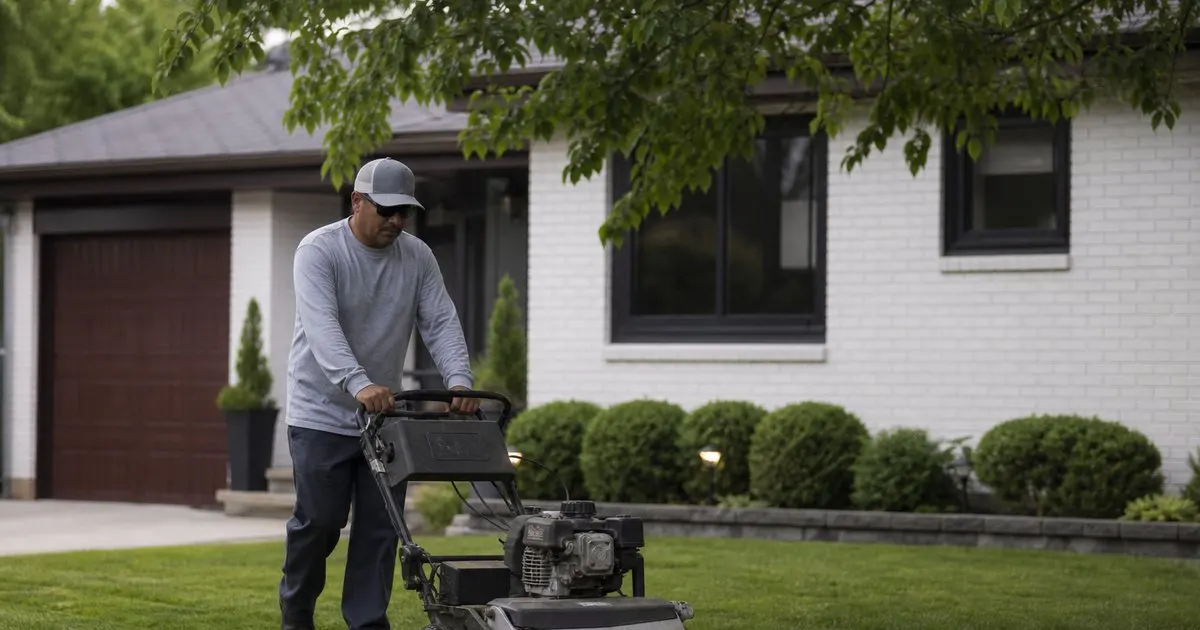
How often should you mow a residential lawn during peak growing season?
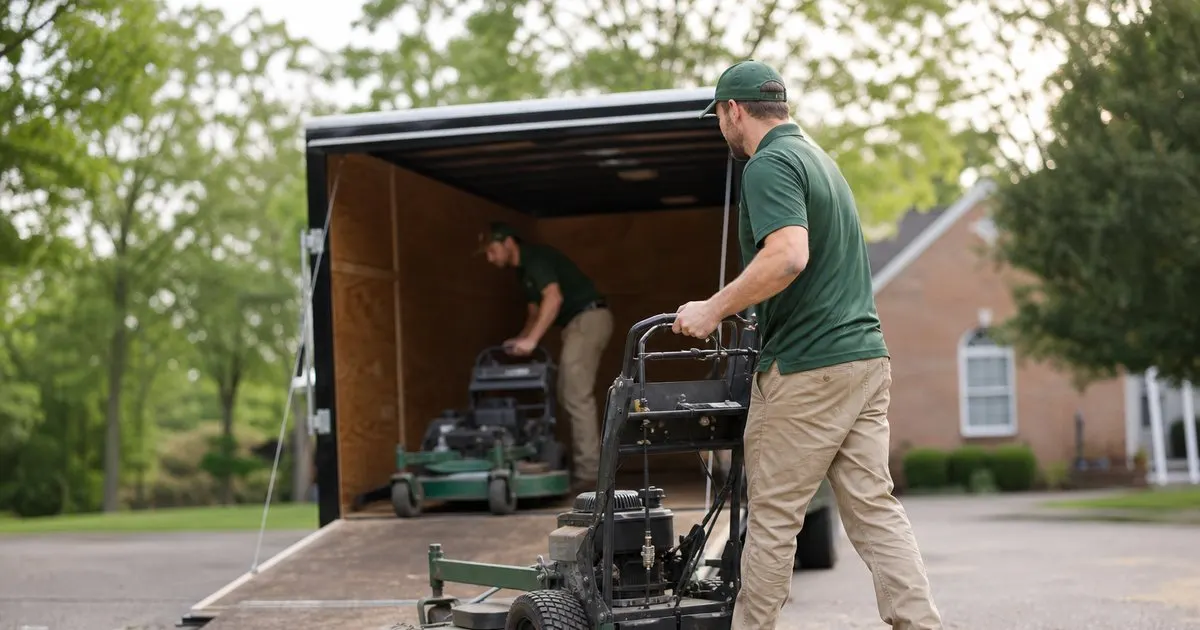
What is the best way to route a lawn crew across many properties?
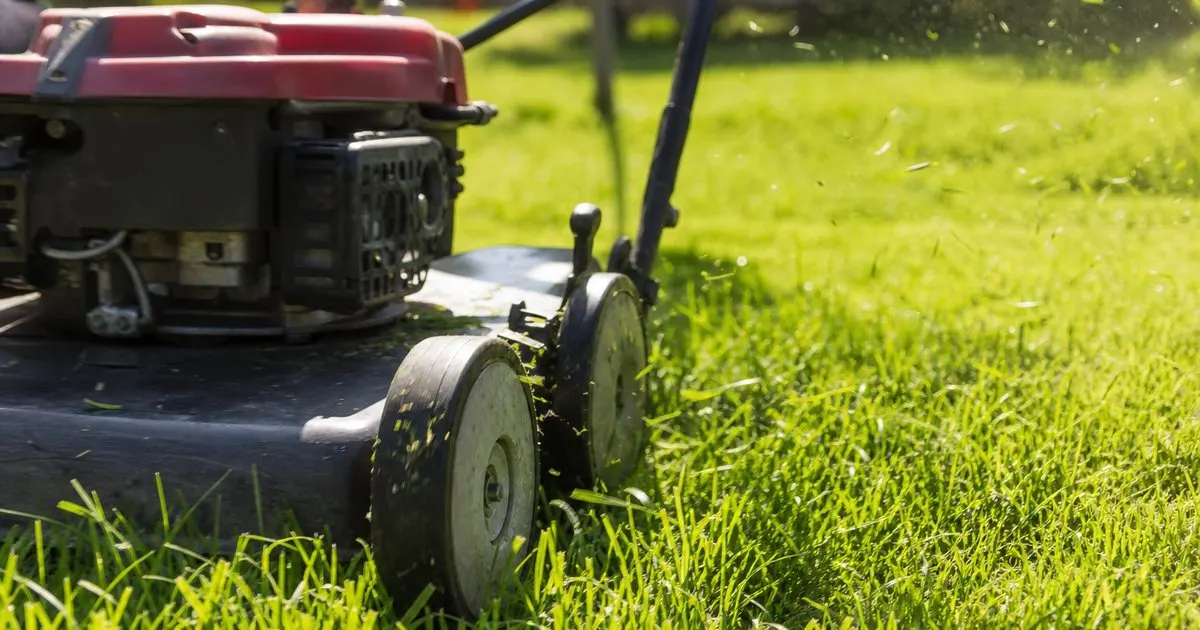
Why does mowing height matter so much for a healthy summer lawn?
Get the LawnCadence playbook
Practical guides on lawn care software, straight to your inbox as we publish them. No spam, unsubscribe any time.