Why does a lawn crew fall behind schedule by the end of the week?
Monday looks fine, Thursday is a mess. The causes are usually structural, and they are fixable without adding a truck.

Small overruns compound because nothing absorbs them
The most common cause is that each day is planned to full capacity with no slack, so a twenty-minute overrun on Monday pushes a stop to Tuesday, which was also full, which pushes two stops to Wednesday, and by Thursday the crew is a half day behind. None of the individual delays were dramatic. The system simply had no place to put them.
The fix is not to work faster. It is to plan each day with a margin that reflects reality: a fraction of the day left unscheduled, or a dedicated flex block on Friday, so overruns have somewhere to land without cascading. Operators who do this find that the flex time often goes unused on good weeks, and on bad weeks it is the difference between a manageable Thursday and a lost Saturday.
Keep reading: How often should you mow a residential lawn during peak growing season?, What is the best way to route a lawn crew across many properties?, Why does mowing height matter so much for a healthy summer lawn?. See how LawnCadence helps you recurring lawn care scheduling and crew routing.
Weather pushes work later in the week by design
Rain delays are rarely random in their effect. When a Tuesday washes out, the stops move to Wednesday and Thursday, which already had their own work. Unless the route was built with a rain plan, the back half of the week absorbs all of the disruption from the front half. That is why Thursday and Friday feel chaotic even when the weather has cleared. Related: When should you reschedule lawn service because of rain and wet grass?
A better structure is to put the most rain-flexible properties later in the week and the least flexible ones earlier, and to decide in advance which stops can be dropped to the next cycle rather than made up. When rain hits, the crew leader works from the same priority list every time instead of improvising, and customers hear consistent messaging about what moved and why.
Stop estimates that are quietly wrong add up
If ten stops on a route each take five minutes longer than planned, the route is nearly an hour behind before anyone notices. The usual reasons are outdated property estimates, added scope like extra trimming or bed edging that never made it into the plan, and seasonal growth that turned a fifteen-minute stop into a twenty-five-minute one. Because the drift is spread across many stops, nobody sees a single obvious cause. Related: What is the best way to route a lawn crew across many properties?
Compare planned versus actual stop times weekly for a few weeks and the pattern will show. Update the estimates that are consistently wrong, re-quote the properties whose scope has grown, and adjust for seasonal growth. This alone often recovers a meaningful chunk of each day in late spring without changing anything about how the crew works. Related: Which recurring lawn care schedule works best for cool season grasses?
Route order and drive time leak minutes all day
A route that is dense on paper can still leak time if it zigzags, if stops are ordered by customer preference rather than geography, or if the crew has to return to the shop midday for equipment or a dump run. Each of these is a small cost, but they happen every day and they land hardest on the days that were already tight.
Review the route order on a map, not a list. Group stops by neighborhood, order them to avoid doubling back, and plan the dump and fuel stops into the route instead of leaving them for whenever they become urgent. Where customer time preferences conflict with geography, explain the tradeoff and ask for flexibility. Most customers care about the day and the quality, not the exact hour. Related: How much should a lawn care business charge for a recurring mowing plan?
- Plan every day with real margin so small overruns have a place to land instead of cascading.
- Put rain-flexible properties later in the week and keep a fixed priority list for wash-out days.
- Audit planned versus actual stop times weekly and fix the estimates that are quietly wrong.
- Order routes by geography and build fuel and dump stops into the plan.

Julien Jimenez
Julien Jimenez is an independent software builder based in Paris. He designs, ships, and operates focused SaaS products for small businesses and independent professionals. Read the full author page.
Keep Every Crew On Cadence
Recurring lawn care scheduling and crew routing. LawnCadence is built to help you put this into practice.
Start free trialMore from the LawnCadence blog
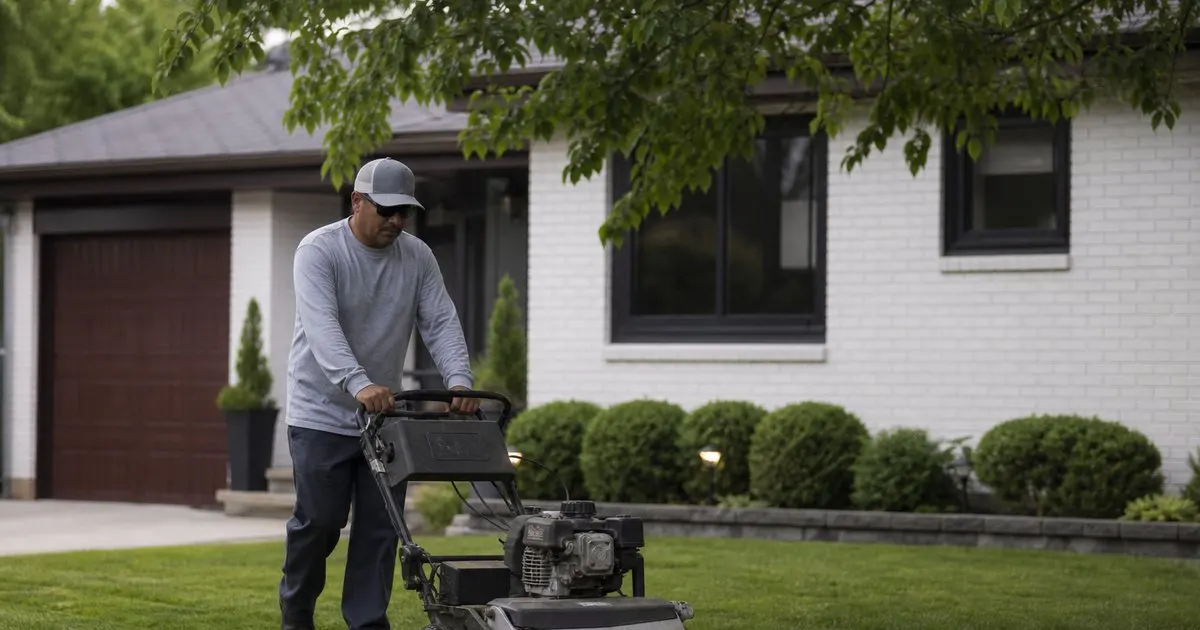
How often should you mow a residential lawn during peak growing season?
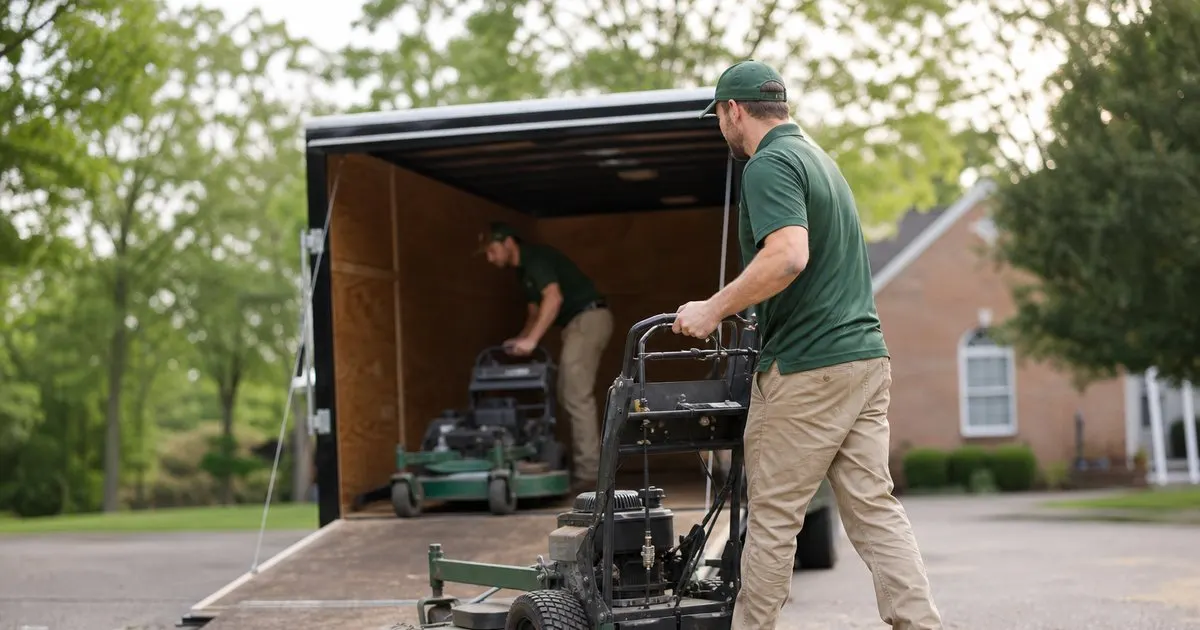
What is the best way to route a lawn crew across many properties?
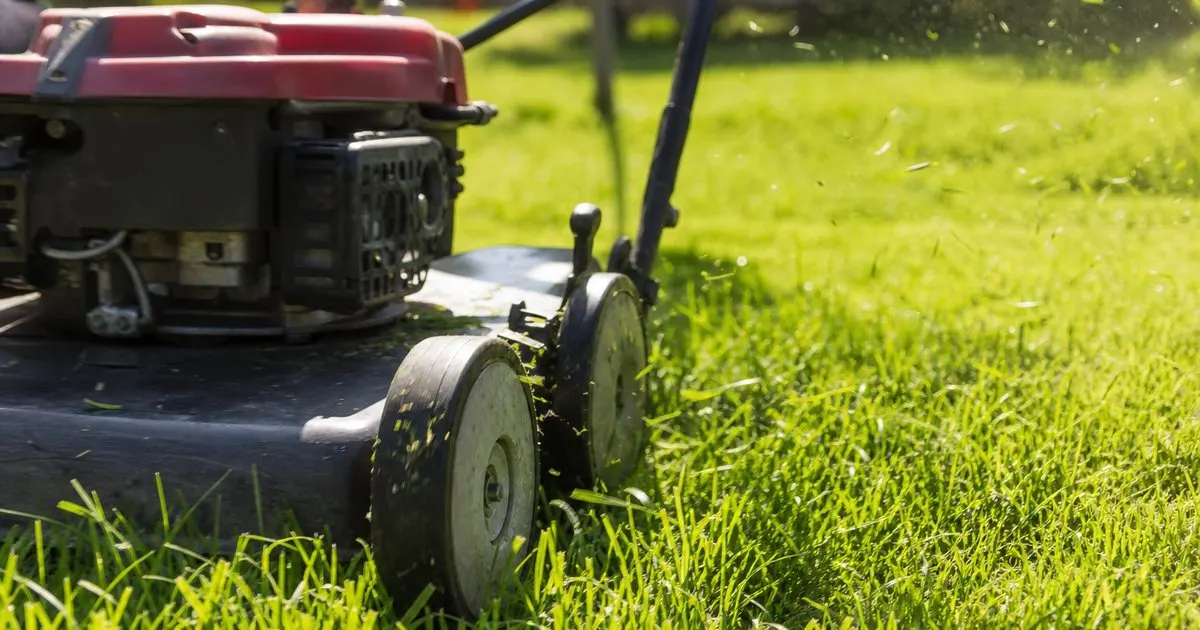
Why does mowing height matter so much for a healthy summer lawn?
Get the LawnCadence playbook
Practical guides on lawn care software, straight to your inbox as we publish them. No spam, unsubscribe any time.