How do you plan a lawn crew schedule around holiday weeks and long weekends?
Memorial Day, the Fourth of July, and Labor Day all land in mowing season. Here is how to lose a day without losing a week.

Decide early whether the crew works the holiday
The three big summer holidays fall squarely in mowing season, and each one removes a day from a five-day route plan unless the crew works it. Some operators work Monday holidays as normal. Many give the day off and run a compressed week. Neither is wrong, but the choice should be made at the start of the season and shared with the crew and customers, not decided the Thursday before. Related: How often should you mow a residential lawn during peak growing season?
If the crew is off, the missing day has to go somewhere. A four-day week with five days of stops means either longer days, a Saturday, or a cadence shift where stops move by a day for the entire week. Choosing the approach in advance, and knowing which properties can shift, is what separates a smooth holiday week from a scramble.
Keep reading: How often should you mow a residential lawn during peak growing season?, What is the best way to route a lawn crew across many properties?, Why does mowing height matter so much for a healthy summer lawn?. See how LawnCadence helps you recurring lawn care scheduling and crew routing.
Shift the whole week by a day rather than cramming
The cleanest pattern for a Monday holiday is to move Monday's route to Tuesday, Tuesday's to Wednesday, and so on, with Friday's route landing on Saturday or being split across the other days. Every customer sees a one-day shift, which is easy to explain and rarely bothers anyone. The alternative, squeezing an extra route into each remaining day, produces long days, rushed stops, and a crew that is worn down heading into the next week. Related: What is the best way to route a lawn crew across many properties?
Tell customers early, ideally the week before, with a simple message such as 'because of the holiday, your visit this week moves from Tuesday to Wednesday'. Automated schedule messages make this painless when the shift is applied to the whole route at once. Customers who are hosting on the holiday weekend may ask to move earlier rather than later. Handle those as individual requests layered on top of the shift. Related: How do you handle a lawn care customer who wants to skip a scheduled visit?
Plan for pre-holiday demand and post-holiday cleanup
Long weekends generate two predictable spikes: customers who want the lawn cut before guests arrive, and lawns that are messier afterward. Plan for the first by pulling event-sensitive properties earlier in the week and by offering an optional pre-holiday trim for customers who ask. Plan for the second by allowing a little extra stop time on the first visit after the holiday. Related: How much should a lawn care business charge for a recurring mowing plan?
This is also the moment to think about crew fatigue. A compressed week followed by a full week is a lot, especially during the heat of July. Building the post-holiday week with slightly lighter days, or reserving Friday afternoon as a flex block, gives the crew a chance to recover and keeps quality steady.
Use holiday weeks to check your buffer
Holiday weeks are a stress test. If losing one day throws the whole schedule into disarray, the routes are running with no margin, and that will hurt on any rain week too. Use the holiday to see how much capacity actually exists: how many stops could shift without a Saturday, how many customers accepted a shift without complaint, and where the route broke.
Record what happened and use it to shape the next holiday plan and the next season's route design. Operators who go through this process a few times end up with a standard holiday playbook: the shift pattern, the customer message, the properties that need early attention, and the flex time that catches everything else. After that, holiday weeks are simply weeks with one fewer day.
- Decide at the start of the season whether the crew works holidays and communicate it to customers.
- Shift the whole week by one day rather than cramming extra routes into remaining days.
- Pull event-sensitive properties earlier in the week and allow extra time after the holiday.
- Treat holiday weeks as a stress test of the route's buffer and record what broke.

Julien Jimenez
Julien Jimenez is an independent software builder based in Paris. He designs, ships, and operates focused SaaS products for small businesses and independent professionals. Read the full author page.
Keep Every Crew On Cadence
Recurring lawn care scheduling and crew routing. LawnCadence is built to help you put this into practice.
Start free trialMore from the LawnCadence blog
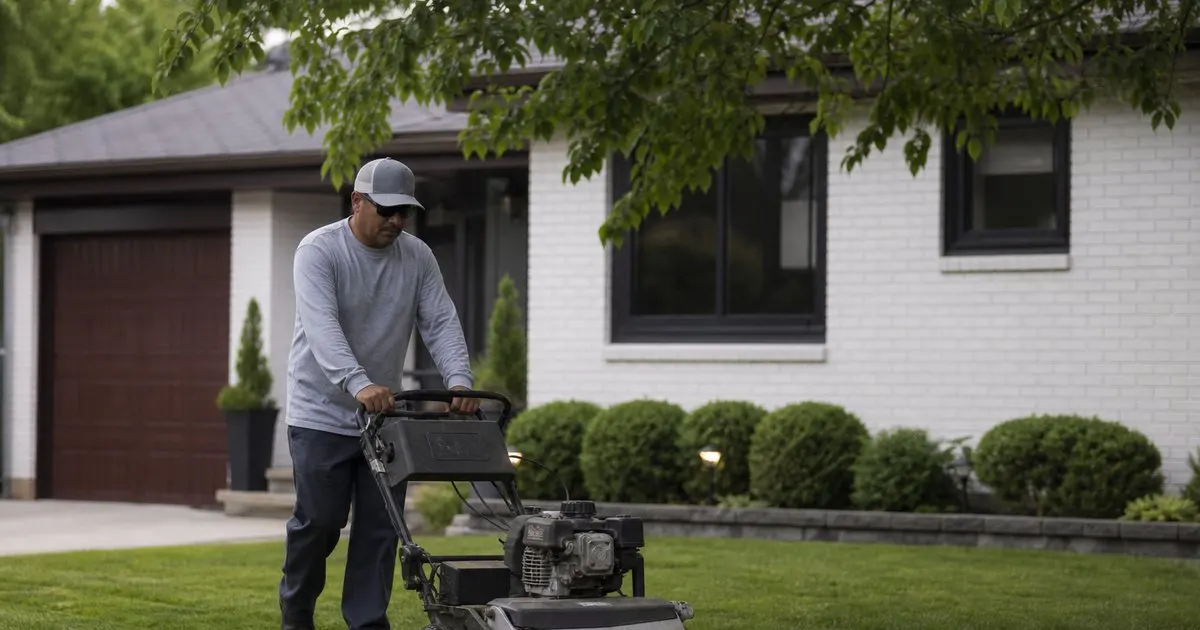
How often should you mow a residential lawn during peak growing season?
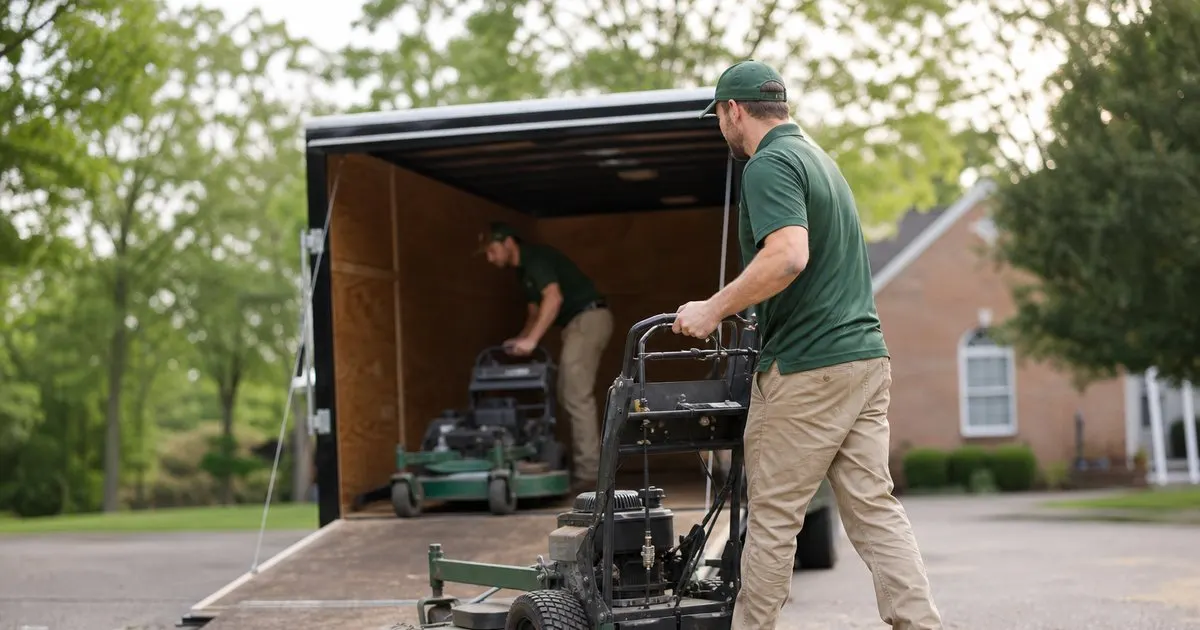
What is the best way to route a lawn crew across many properties?
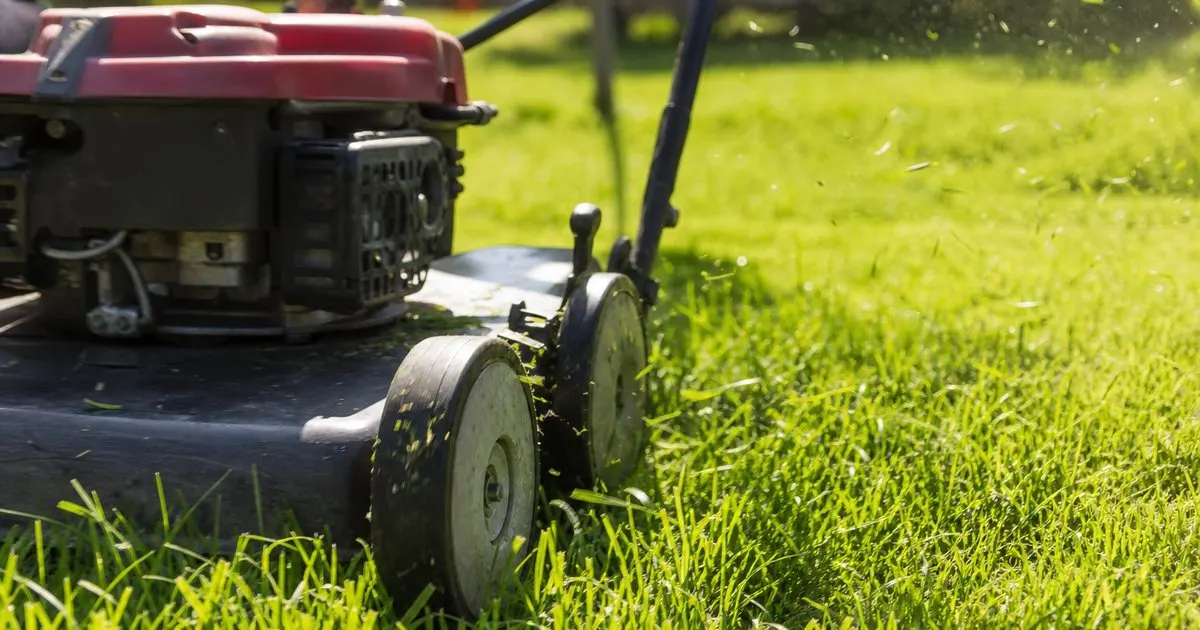
Why does mowing height matter so much for a healthy summer lawn?
Get the LawnCadence playbook
Practical guides on lawn care software, straight to your inbox as we publish them. No spam, unsubscribe any time.