How do you handle a lawn care customer who wants to skip a scheduled visit?
Skip requests are normal in a recurring business. Here is how to say yes without wrecking your route density, your cash flow, or the lawn itself.

Why skip requests are a scheduling problem, not just a billing one
A skip looks small on the customer's end: one visit, one week. On your end it removes a stop from a route that was built around density. Drive time between the neighbors stays exactly the same, so the stop that disappears was likely one of the most profitable stretches of the day. Multiply that across a busy summer and skips quietly erode the margin that recurring plans are supposed to protect.
There is a lawn health cost too. In peak growth, missing one weekly mow means the crew returns to grass that has grown well past the one-third rule, which brings clumping, scalping risk, and a longer stop than the schedule allotted. That extra time then pushes every stop after it. So the honest response to a request to skip this week is usually yes, but with rules that protect the next visit. Related: How often should you mow a residential lawn during peak growing season?
Keep reading: How often should you mow a residential lawn during peak growing season?, What is the best way to route a lawn crew across many properties?, Why does mowing height matter so much for a healthy summer lawn?. See how LawnCadence helps you recurring lawn care scheduling and crew routing.
Set a skip policy before the first request arrives
The best time to decide how skips work is when you write the service agreement, not when a text arrives on a Sunday night. Decide three things: how much notice you need (48 hours is a common floor because routes are usually finalized the day before), how many skips per season are included in the plan, and whether a skipped visit is refunded, credited, or simply absorbed into a flat monthly price. Related: When should you reschedule lawn service because of rain and wet grass?
Flat monthly pricing, where the customer pays the same amount whether the season has 26 or 30 visits, makes skips much simpler to handle. You can grant them freely because the revenue is already smoothed. Per-visit pricing works fine as well, but it needs a clearer rule, such as one free skip per month and a partial trip charge for late notice. Whatever you choose, put it in writing and repeat it in the confirmation message every time you approve a skip. Related: Which recurring lawn care schedule works best for cool season grasses?
Handle the request in a way that protects the next visit
When a customer asks to skip, confirm the request in writing, remove the stop from the route, and add a note to the property record explaining why. If the reason is a party or houseguests, offer to move the visit a day or two instead of dropping it entirely. Many skip requests are really not-Tuesday requests, and a shifted stop keeps the lawn on cadence and keeps the revenue. Related: What is the best way to route a lawn crew across many properties?
If the skip stands, flag the next visit as a likely long stop. The crew leader should know before arriving that the grass has two weeks of growth, so they can plan to raise the deck a notch, double cut if needed, and disperse or bag clippings properly. A scheduling tool that carries that flag forward automatically saves the leader from relying on memory across dozens of properties.
Watch for skip patterns that signal a bigger issue
A single skip is nothing. A customer who skips every third or fourth visit is telling you something: either the lawn does not need weekly service in that stretch of the season, or the price feels high relative to the value. In the first case, offer to move them to a biweekly cadence during slower growth so the plan matches reality. In the second, a quick call usually surfaces the concern before they cancel outright.
Track skips per customer and per route in whatever system you use. When one route shows a cluster of skips, it may be a neighborhood with irrigation restrictions or slower growth, and the whole route may deserve a cadence change. Data like this is how a small operator makes calm, seasonal adjustments instead of reacting to each text one at a time.
- Write the skip policy into the service agreement so nobody negotiates it by text on a Sunday night.
- Offer to shift the visit by a day before agreeing to drop it entirely.
- Flag the next visit as a long stop so the crew arrives with the right plan for heavy growth.
- Treat repeated skips as a signal to change cadence or price, not as random noise.

Julien Jimenez
Julien Jimenez is an independent software builder based in Paris. He designs, ships, and operates focused SaaS products for small businesses and independent professionals. Read the full author page.
Keep Every Crew On Cadence
Recurring lawn care scheduling and crew routing. LawnCadence is built to help you put this into practice.
Start free trialMore from the LawnCadence blog
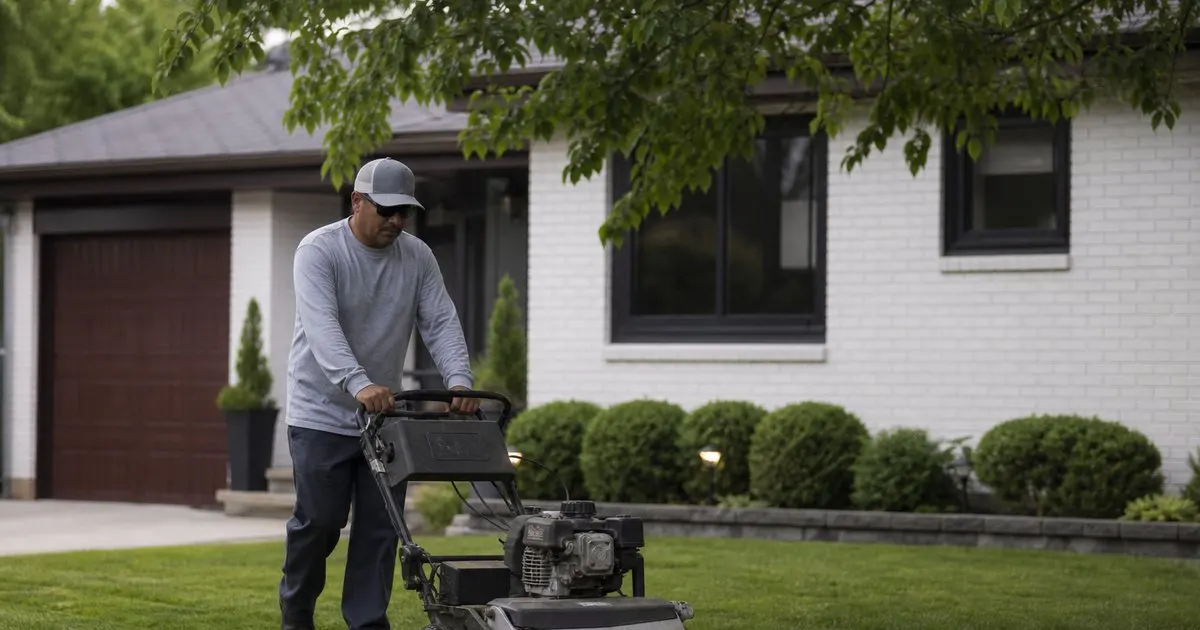
How often should you mow a residential lawn during peak growing season?
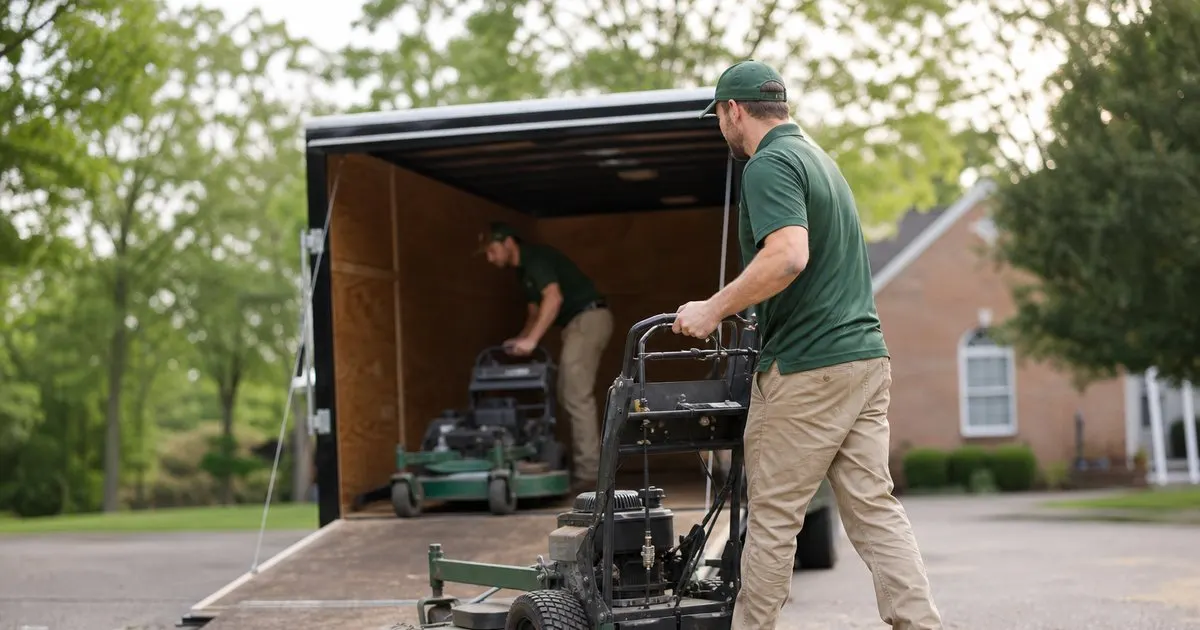
What is the best way to route a lawn crew across many properties?

Why does mowing height matter so much for a healthy summer lawn?
Get the LawnCadence playbook
Practical guides on lawn care software, straight to your inbox as we publish them. No spam, unsubscribe any time.