What weather signals should trigger a lawn care rescheduling decision each week?
The weather conditions worth watching and how each one should shape the mowing week.
Watch for heavy or sustained rain, saturated ground, active thunderstorms, and high winds, since each makes mowing unsafe or damaging. Extreme heat may mean mowing higher rather than skipping. Check the forecast early in the week so you can shift days proactively instead of scrambling when the weather hits.
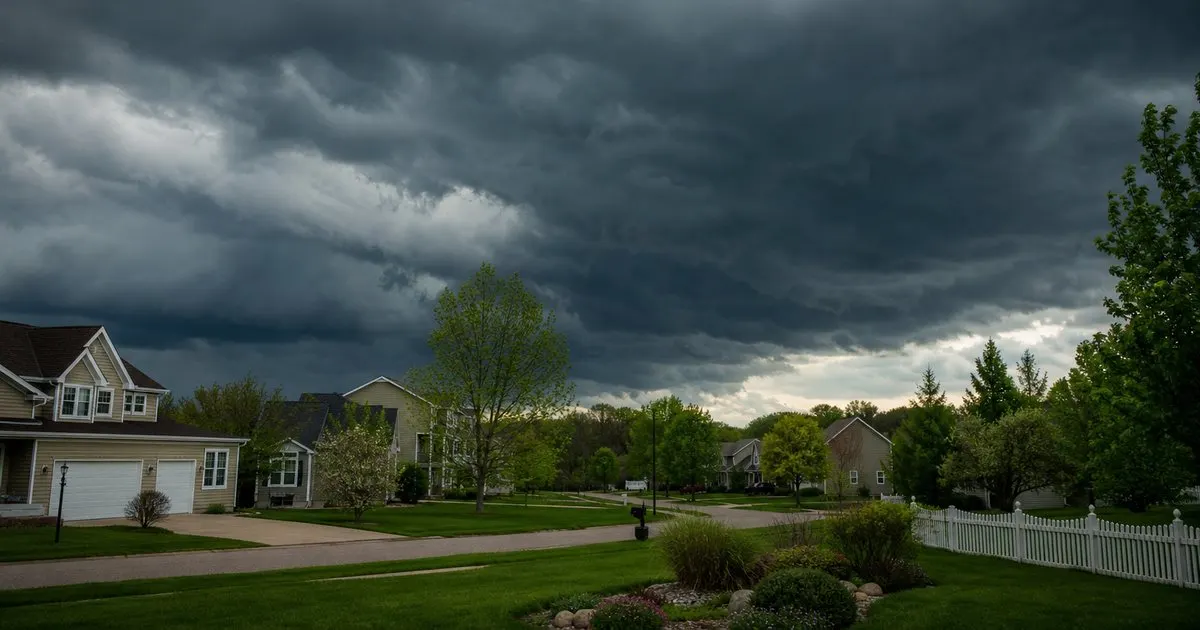
Heavy rain and saturated ground
The clearest reschedule trigger is heavy rain that leaves the ground saturated. Mowing soggy lawns ruts the soil, clumps clippings, and spreads disease, so a route facing waterlogged lawns should move to a drier day. The signal is not just that it rained, but that the ground has not drained. Related: When should you reschedule lawn service because of rain and wet grass?
Timing within the day matters. A storm that clears by midmorning may leave lawns mowable by afternoon, so watch whether the ground firms up before writing off the whole day.
Keep reading: How often should you mow a residential lawn during peak growing season?, What is the best way to route a lawn crew across many properties?, Why does mowing height matter so much for a healthy summer lawn?. See how LawnCadence helps you recurring lawn care scheduling and crew routing.
Extended drought and dormancy
The opposite extreme also changes the schedule. In a prolonged dry spell, grass growth slows or stops and lawns can go dormant, and mowing dormant, stressed grass does more harm than good. When drought sets in, stretching the interval or skipping a cut protects the lawn. Related: How often should you mow a residential lawn during peak growing season?
Reading this keeps you from wasting visits. A brown, dormant lawn in a heat wave does not need weekly mowing, and forcing the cut stresses grass that is just trying to survive. Related: Why does mowing height matter so much for a healthy summer lawn?
Extreme heat
High heat is a signal to adjust how you mow, not just whether. In a heat wave, raise the cutting height to shade the roots, and consider mowing earlier in the day to spare both the grass and the crew. Cutting a heat-stressed lawn short at midday can brown it out. Related: What is the best way to route a lawn crew across many properties?
Extreme heat is also a crew safety issue. Shifting the hardest properties to the cooler morning hours protects the people doing the work, which matters as much as the lawns.
Watch the week and move once
The goal is to read the week ahead and adjust proactively rather than reacting each morning. Seeing a wet Tuesday coming lets you plan the shift before the crew is standing in a soaked yard, and making the move once is cleaner than scrambling day by day.
LawnCadence makes reshuffling the week a single action, so once you read the weather signals you can push or reflow the affected days in one tap and keep every lawn near its cycle without a morning of phone calls.
- Saturated ground after heavy rain triggers a reschedule.
- Drought and dormancy call for stretching or skipping.
- Extreme heat means raising height and mowing early.
- Read the week ahead and reflow the schedule in one move.

Julien Jimenez
Julien Jimenez is an independent software builder based in Paris. He designs, ships, and operates focused SaaS products for small businesses and independent professionals. Read the full author page.
Frequently asked questions
Should you ever mow during a drought?
Mow less often and raise the height. Drought-stressed grass grows slowly and needs its length to shade roots and hold moisture, so cutting short during a dry spell can seriously damage the lawn.
How far ahead should you plan around the forecast?
Review the week's forecast a few days out so you can pre-shift routes around expected rain or storms. Early planning lets you notify customers and keep clusters intact rather than reacting day of.
Keep Every Crew On Cadence
Recurring lawn care scheduling and crew routing. LawnCadence is built to help you put this into practice.
Start free trialMore from the LawnCadence blog
How often should you mow a residential lawn during peak growing season?
What is the best way to route a lawn crew across many properties?
Why does mowing height matter so much for a healthy summer lawn?
Get the LawnCadence playbook
Practical guides on lawn care software, straight to your inbox as we publish them. No spam, unsubscribe any time.