How do you keep per property notes useful for every lawn crew member?
How to write and maintain property notes so any crew can service a lawn correctly the first time.
Write notes that are specific, current, and tied to the property, covering gate codes, pet warnings, obstacles, customer preferences, and problem areas. Keep them where the crew sees them before each visit, and update them whenever something changes. Clear, maintained notes let any crew service the yard correctly the first time.

Capture what a new crew would not know
Good property notes answer the questions a crew member who has never been there would ask. Where do you park, which gate opens, what is the code, is there a dog, which areas do you not mow, and how high does the customer want it. These are the details that make the difference between a clean job and a mistake. Related: What should a lawn crew do when a property has changed since last visit?
The test is simple: could someone who has never seen this lawn service it correctly from the notes alone? If the answer is no, the notes are missing something, and the gap will show up as a callback when a substitute crew works the property. Related: What is the best way to route a lawn crew across many properties?
Keep reading: How often should you mow a residential lawn during peak growing season?, What is the best way to route a lawn crew across many properties?, Why does mowing height matter so much for a healthy summer lawn?. See how LawnCadence helps you recurring lawn care scheduling and crew routing.
Keep them short and specific
Notes that ramble get skipped. The useful ones are short, specific, and actionable: 'gate code 1234, do not mow the wildflower strip by the fence, dog in yard until noon.' A crew can read that in seconds and act on it, where a wall of text gets ignored under time pressure. Related: How much time should a crew leader budget for each residential mowing stop?
Specificity beats vagueness every time. 'Be careful in back' means nothing, while 'sprinkler heads along the back fence, raise deck' tells the crew exactly what to do.
Update them the moment things change
Notes rot if they are not maintained. A gate code changes, a dog is added, a bed is installed, and a note that is now wrong is worse than no note because it sends the crew confidently in the wrong direction. Whoever spots the change should update the note that day.
Building this habit is what keeps notes trustworthy. When the crew knows the notes are current, they rely on them, and reliable notes are what let any crew member cover any property.
Put the notes where the work happens
Notes locked in the office or in one person's memory do not help the crew standing at the gate. They need to be attached to the property and visible on the device the crew uses at the stop, so the right information is in hand at the moment it matters.
LawnCadence attaches notes to each property and shows them on the crew's day sheet, so gate codes, no-mow zones, and mow heights are right there at the stop, and any crew member can service the lawn correctly the first time. Related: When should you reschedule lawn service because of rain and wet grass?
- Capture what a first-time crew would not know.
- Keep notes short, specific, and actionable.
- Update notes the moment anything changes.
- Show notes on the crew's device at the stop.

Julien Jimenez
Julien Jimenez is an independent software builder based in Paris. He designs, ships, and operates focused SaaS products for small businesses and independent professionals. Read the full author page.
Frequently asked questions
What details matter most in property notes?
The ones that affect safety and access, like gate codes, dogs, sprinkler heads, and no-mow zones, plus any standing customer preferences. These prevent the mistakes that trigger callbacks or complaints.
How do you keep notes from going stale?
Make updating them part of the visit. When a crew spots a change, they log it immediately so the record stays current, rather than relying on memory or a later office update.
Keep Every Crew On Cadence
Recurring lawn care scheduling and crew routing. LawnCadence is built to help you put this into practice.
Start free trialMore from the LawnCadence blog
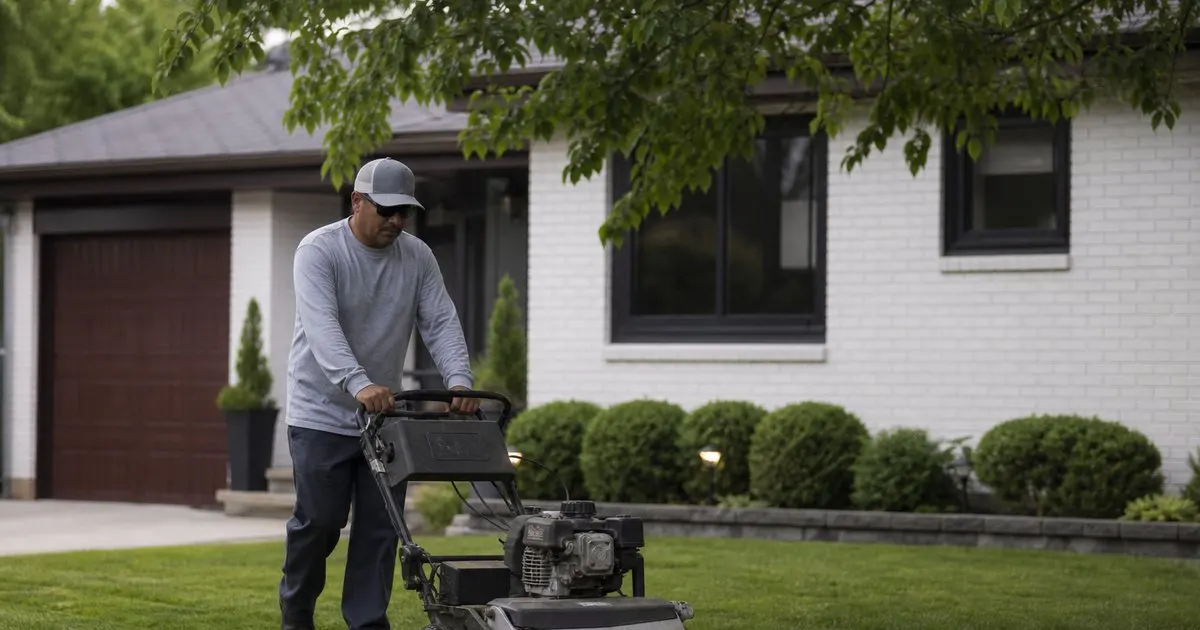
How often should you mow a residential lawn during peak growing season?
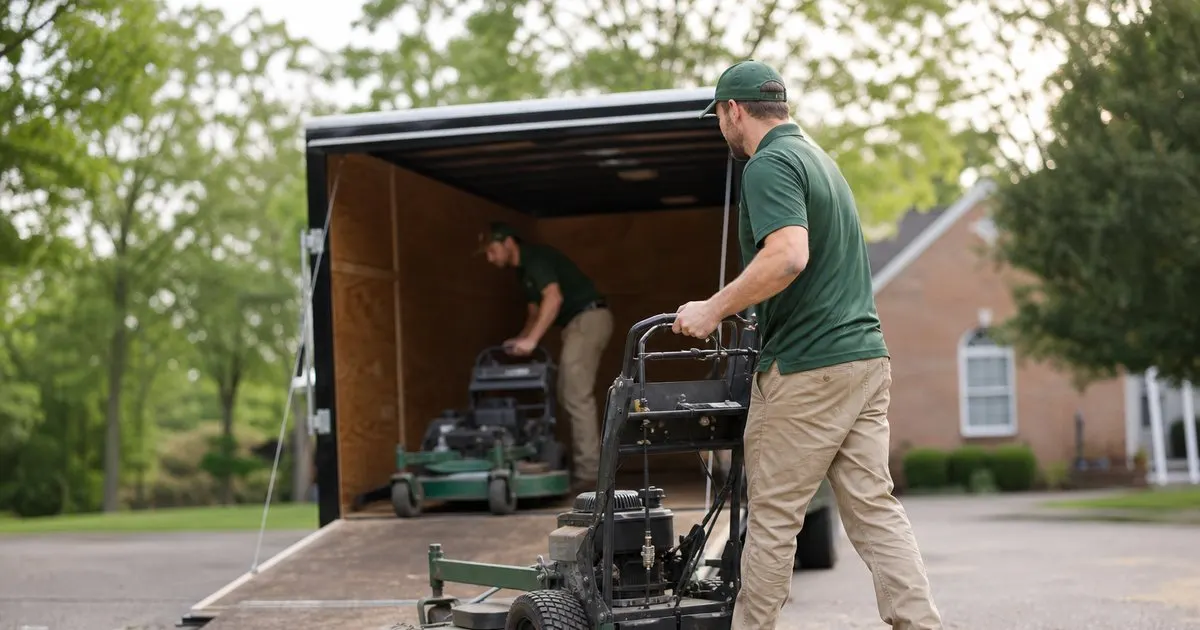
What is the best way to route a lawn crew across many properties?
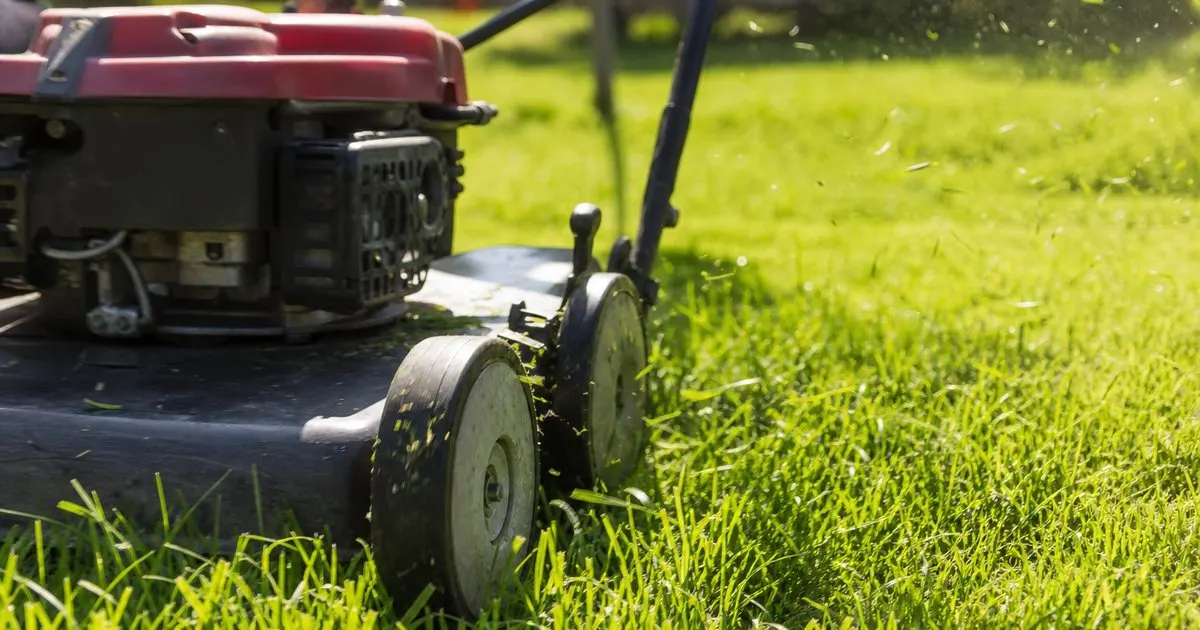
Why does mowing height matter so much for a healthy summer lawn?
Get the LawnCadence playbook
Practical guides on lawn care software, straight to your inbox as we publish them. No spam, unsubscribe any time.